Archive for the ‘Personal development’ Category

Get it in writing!

January 18, 2014

Guinness - Pension Dispute

Now that was a very strange week …. amongst some great things that happened it was the “week of the pensions” and once again I learnt a huge lesson!

The last place I wanted to be this week was the Cork Court House but this is where I found myself – I stood there on Wednesday afternoon on the first floor having a consultation with my solicitor and barrister. This related to a complication to do with my pension with Guinness Ireland, which had never been sorted out.

I remember that day in 1999 when I handed in my notice to Guinness to return to Cork and take up the General Manager role at Nash Beverages, a Heineken owned company. I had been with Guinness in Dublin for three years and before that I had worked for a Guinness owned subsidiary called Deasy’s in Cork for six years.

Leaving was a hasty affair as effectively I was moving to a competitor of Guinness so my last day at St.James Gate was the day I handed in my notice. To be fair to them I was given time that day to say my goodbyes to the many friends and colleagues that I had made during the nine year period and later I was given a really great night out by the team I worked closely with.

There was a little niggle in my mind that day about my pension – at the time there was a rule with the Guinness pension scheme that if you left the company before completing five years of service then you would have to sacrifice the company contribution element of your pension. As this was nearly 8% of my salary for the three years I was in Dublin it was a significant amount.

Ironically two years later the pension laws of the country changed and such “loyalty penalties” are now outlawed (two years service is the criteria, which probably reflects a changing work environment where people move between jobs more frequently).

As I had been part of the Guinness “family” for nine years I hoped and assumed that this loyalty penalty would not be imposed in my case so I felt I needed some reassurance.

Guinness - St James Gate In the course of my time there, including the time I was in Deasy’s  I had built up a strong relationship with a senior member of the Guinness team, Paddy Gallagher who looked after these matters. Paddy was always a real gentleman to deal with and down through the years we had many chats about many things.

I remember he have me his theory about bosses one day – There are three types he told me. Ones you love, ones you hate and ones who are neither here or there. If your career works out evenly between each of these three categories you are doing well!

While I was doing my round of goodbyes I wanted to say goodbye to Paddy when I was also able to mention my pension issue to him. He assured me that this would not be a problem and to leave it with him.

That’s what I hoped he would say ..phew!

Two years later, when I was called as a witness in a High Court Case that my former Deasy colleague and best friend Tommy Doyle had taken against Guinness I once again met Paddy. As it turned I played a part role in mediating between the sides, which was finally settled.

Paddy brought up the subject of my pension that day and again assured me that it would be sorted – I was glad to hear that because at this stage I had absolutely nothing in writing other than a email between pension people suggesting that my employment was being treated as continuous,

Unfortunately Paddy retired shortly after the time of that meeting and the responsibility for pensions was passed from one person to the next and eventually to some department Scotland.

It took me until 2007 to finally get a statement from Guinness – this came after a litany of phone calls, emails and eventually I had to resort to letters from my solicitor. Unfortunately the statement confirmed my worst fears and what I was assured would happen never actually did.

The sums involved were too significant to walk away from so unfortunately I had to take the legal route in an attempt to resolve this misunderstanding. (I  only recently discovered there was an official complaints process, and the Ombudsman route which would have been less painful and costly).

So here I was, fifteen years after leaving the company standing with my barrister and solicitor to review the case, which was due to be heard the next morning – Guinness had made no offer or no hint of settling and were instead threatening compensation for their costs . €50,000 was mentioned !!

If I walked away now, dropped my case and agreed not to take the case to the pension Ombudsman they would agree that I would not be liable for their costs, just my own…

Can you please explain why I am hearing this now – surely I have a strong case?” I was dumbfounded.
Get it in writingIt’s simple” the barrister explained. “You don’t have it in writing and we have been assured from the other side that Paddy Gallagher doesn’t recall giving you any such assurance about your pension. This is all about what we can prove”.

“We are more than happy to run the case but there is a big risk and you could get caught for their costs if we don’t win”

I felt I had a good case, a few supporting pieces of evidence and it was clear to me that with my paper trail I could demonstrate that Guinness handled my pension file and all my enquiries badly. All true but sadly not enough to confidently win a case.

I felt I just couldn’t take the risk and I really didn’t want to get tied up in court, calling in experts and witnesses including Paddy so I reluctantly decided to take the offer. It killed me to sign the agreement including the waiver the other side insisted upon about the Pensions Ombudsman (surely that is a right you have?).

I must admit I was really upset so I headed up the street to Reidy’s Wine Vault for a stiff drink to calm down and I dug deep looking for some positive lessons to take from this debacle:

  • Look for any other possible route to sort something out rather than the legal route
  • Try to establish the strength of your case as early as possible before getting sucked into the process
  • Forget about fairness and promises, concentrate on proof

My biggest lesson is that even in a scenario where there is a lot of trust, friendship and understanding you still need to “Get it in Writing” to protect yourself.

I thought once again about that whirlwind last day in Guinness and my chat with Paddy.

Don’t worry Greg, I’ll look after that for you”

“Thanks a million Paddy, I appreciate it” ..I’m guessing that’s how that chat went

Under the circumstances I would have found it really difficult to say “That’s all well and good Paddy. Do you mind if I waited here in the office  while you put that in writing for me”.

While that would have been an awkward and uncomfortable moment it would have been a lot less painful than what followed.

I turn on the news on the way home and I hear about the incredible and disgraceful CRC revelations about the secret Paul Kiely €740,000 pension payments – did he have something in writing I wondered?

That was a strange week!

Greg Canty is a partner of Fuzion

Fuzion are a Marketing, PR and Graphic Design agency in Ireland with offices in Cork and Dublin

I had a great 2014 because …

January 1, 2014

visualisation

For the last few years I have been doing this simple little exercise at the start of the year to help get focused around things that are important both personally and professionally.

I have found it to be really useful and one that has made a big difference.

I don’t know about you but making plans and actually achieving them is always challenging and at the start of the year I find myself at the start of that loop all over again making promises that often will never materialise!

A few years ago I was inspired to go about my goal setting in a different way thanks to a book I read called “The Art of Possibility” by Benjamin and Rosamund Zander (a really interesting motivational book by the conductor of the Boston Philharmonic Orchestra and his wife who is an executive coach).

Benjamin Zander, the conductor has the task every year of bringing out the very best from a large group of very talented musicians for his orchestra.

His approach is rooted in the power of visualisation – the simple idea behind this is that if you visualise what you want to achieve then there is a much better chance of it actually happening (unbelievers ….stop reading now !!)

Here goes ..

Take a pen and paper and simply write your diary entry in advance for the last working day of the year to come..

Imagine just before you switch off the lights in the office, before you head out the door to do some last minute shopping and enjoy a well-earned rest, you quietly write your diary entry.

Tuesday, 23rd December, 2014

I had a great year because ….

Be as specific as you can including both personal and professional goals and when you are done Sign it!

Place your note in an envelope and seal it – on the last day of every month (use your calendar system to schedule this) open your envelope and have a peep to see how you are progressing.

…what are you waiting for?

By the way ….Happy New Year!

Greg Canty is a partner of Fuzion

Fuzion are a Marketing, PR and Graphic Design agency in Ireland with offices in Cork and Dublin
 

What do you do?

December 12, 2013
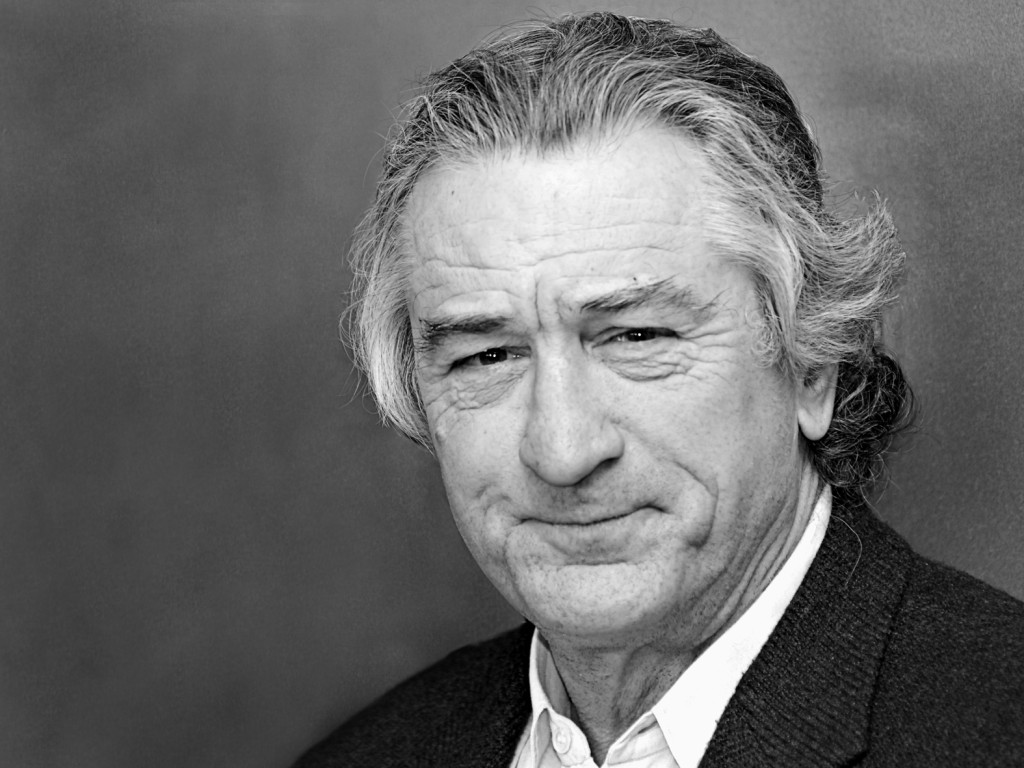
Robert de Niro

Hi – What do you do Robert?

I was reading a book by Michael Port called Book Yourself Solid and in it he gives some really interesting advice about answering the question:

“What do you do?”

This is probably asked of you a few times week when you meet new people and it might typically arise at a networking event.

Your typical answer is to use your normal industry label “I’m an architect, an accountant, a solicitor, a financial consultant, a life coach, a banker, an insurance broker, a PR consultant, a social media consultant“.

While this is helpful as it does wrap “you” in a nice simple understandable package, Michael Port argues that this is possibly doing you a big disservice.

Once you mention that “label” you are bunching yourself automatically with every other person who might use the same label to describe themselves. For example if the person has had a poor experience in the past with a “wealth advisor” then the minute you mention that you are a “wealth advisor” they mightn’t like you very much and will politely shuffle away from you!

Imagine Robert De Niro answering the question by saying “I am an actor“!

Michael’s simple suggestion is that instead of using the typical label why not describe “what you do” in a much more descriptive way.

Michael’s suggestion struck a chord with me as I know when I am asked the question “what do you do” I certainly don’t want anyone to put me in the same category as any of the people working in our general area – I am totally different and I bring vast business background and a particular skill-set to the table.

So instead I might say: “Working with a great team I use my commercial experience to make businesses and organisations more successful by first making sure their proposition is presented in the best possible way and then getting as many people as possible to hear about them” …. I could even go simpler with “I work with a really talented team to make businesses and organisations better“.

Oh.. how do you do that?” and then you tell them!

What do you do?

Greg Canty is a partner of Fuzion

Fuzion are a Marketing, PR and Graphic Design agency in Ireland with offices in Cork and Dublin
Dachau and things we don’t want to remember

December 12, 2013

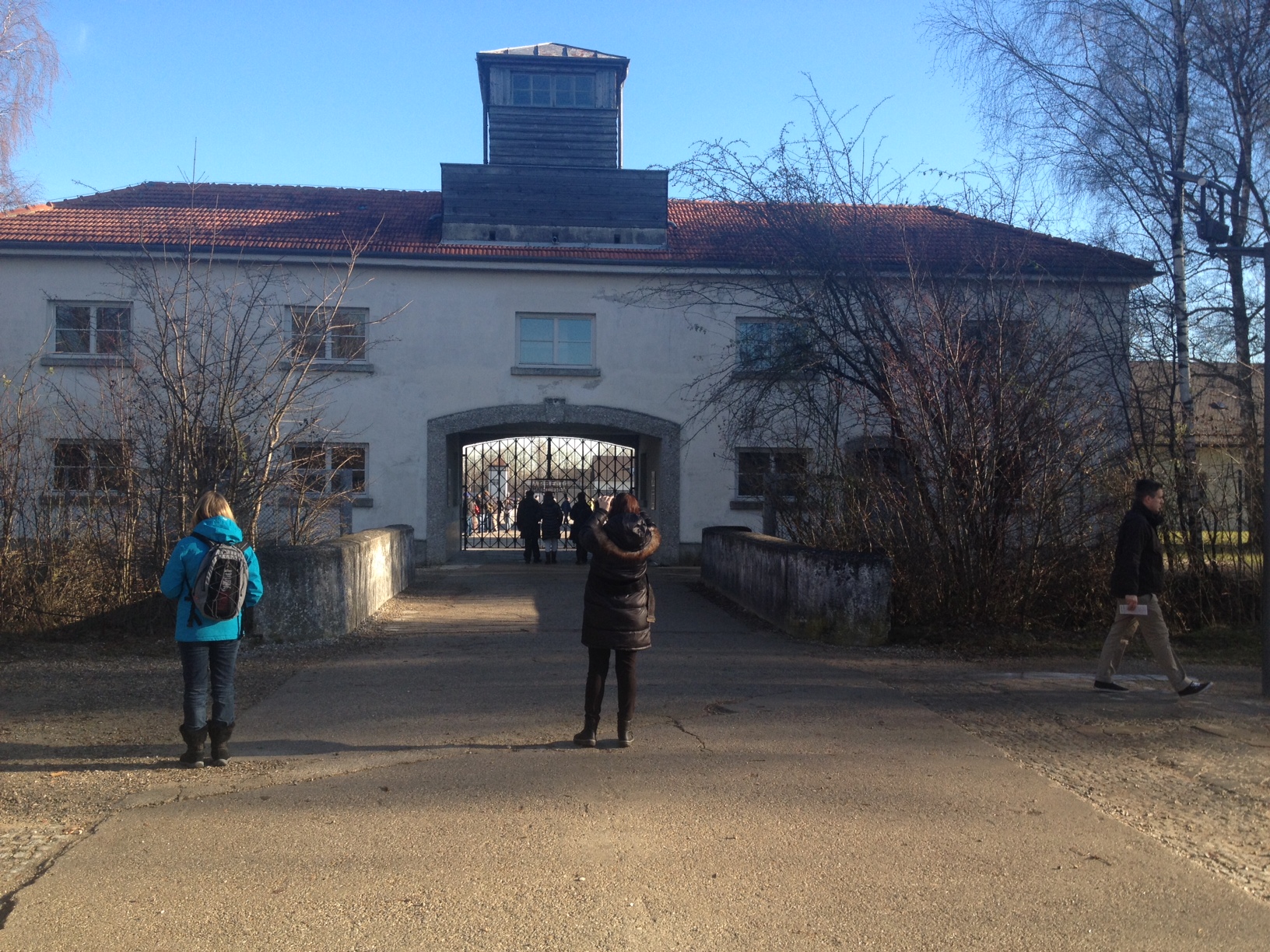
Entrance to Dachau

All four of us found ourselves at the front gates of the Dachau Concentration Camp on a cold but beautiful sunny morning as we were about to start the Memorial Tour. This has been open as a visitor centre since 1965.

Arbeit Macht Frei” or “Work will set you free” reads the inscription on the entrance gates.

This was very strange as only two hours before I was resigned to the fact that none of our crew wanted to go on the tour so I wasn’t going to force it on anyone.

After all why would anyone want to inflict such misery and horror on a few days holiday?

For me it was just 8 miles from Munich where we were staying, it is a huge part of the German story and I really wanted to see it – I knew it was morbid and would be upsetting  but something brought me there. It was quite a difference to the “Sound of Music” bus tour of Salzburg the previous day!

In a bizarre coincidence we missed the bus tour that we intended to take and hopping off the train at Dachau station we bumped into a lad from Templemore in Tipperary who is an official guide …off we went with Gordon!

Dachau is unique as it was the very first concentration camp, opened in 1933 initially for male German resistors who needed to be “re-educated“.  After 1938 as the Nazi terror machine reigned across Europe the camp became a cruel home to many other male Jews and other persecuted minorities.

We learned that Dachau was the sophisticated  “pilot” camp, which was to be used as a training ground for the Nazi’s who would practice, develop and use this model and replicate it over 2,000 times across Europe. This camp was so sophisticated that it was even shown to visiting dignitaries as part of PR, propaganda tours – this was no secret.

Dachau was a clever place to locate the camp as it is a beautiful area with a proud history – a camp there must surely be legit?

The top, well respected SS commanders would be trained here in detail about how to run a concentration camp. I always pictured the concentration camps as prisons but in reality it was an imprisoned workforce who were there to service factories, which were located outside the grounds. These factories included big companies who are still popular brands today.

This was a system designed both to imprison “Imperfect” people but also to make money from them in a brutally efficient industrial model.

Torture, humiliation and unimaginable cruelty ensured that all prisoners stayed in check – there were worse camps than Dachau Gordon told us.

I photographed the entrance  – on a sunny day it looked nice.

I photographed the famous gate with that “motto“.

I took a photo of the prisoners as they were photographed on the day they were liberated on the 29th April, 1945 – lots of happy faces.

I took a photo of the huge yard where the roll calls would have taken place – gorgeous day.

I took a photo of all the prisoners who were photographed in a roll call – lots of unhappy men lined up.

I took photos of the room where the prisoners were taken on the day they arrived – they were stripped, and then totally shaved and deloused with disinfectant, which would burn their skin we were told.

On display in the room were some large prints with graphic images, which started to reveal the full awful story – I didn’t photograph these.

We were shown a wooden table over which men were humiliated and whipped with a cane if they stepped out of line (not making a  bed properly for example) – I didn’t photograph this.

If a man tried to stand up to the officers they tied his hands behind his back with a chain, hoisted him over a wooden beam (in this cleansing area) and would drop him. This would dislocate his shoulders, break his arms and tear his muscles.

At this point I wanted to leave, I got the picture …I had heard enough.

The movie was about to start – we watched in horror at the black and white footage that was taken when the camp was liberated. Bodies found on railway carriages (this was unusual for this camp we were told), piles of naked corpses stacked on top of each other and the terrible state of the survivors.

This camp that was built for 7,000 prisoners ended up with over 32,000. After liberation 2,000 prisoners passed away from ill health – their condition was so poor that nothing could save them.

At this point I wanted to leave again – I felt the others were the same but no one said a word. 

We went back out to the yard and the fresh air and sunshine. We viewed the memorial sculptor and the beautiful tree lined passage that would have run through the middle of the camp – the trees had been there at that time, to make the camp look nice. I took a photo.

We walked over to the rebuilt barracks that the prisoners would have lived in – I didn’t take a photo.

We walked down the tree lined avenue which would have run in between the rows and rows of barracks on each side – these were dismantled after the war.

The crematorium where the human “waste” was disposed of was next on agenda. This was to the back of the site and would never have been seen by the prisoners. Some prisoners were given the job of running this area.

We first saw a little cabin with two ovens inside – it was clear what they were for.  I didn’t take a photo.

Due to capacity issues a new and very sophisticated and impressive looking building was erected. This consisted of rooms where prisoners would remove their clothing, a gas chamber (with shower heads, which they would have been used to – The sign at the entrance overhead read “showers” in German) and a bank of ovens. Its not sure if this gas chamber was used much – maybe it was just for training purposes?

Some women were hung in this room and then cremated because of something they did which upset someone ….it’s a blur.

We quickly walked through this area. I quietly blessed myself in each of the rooms. Towards the end of the war the crematorium was shut down as there was a coal shortage.

I didn’t take a photo.

Behind this building was a little garden walk where assassinations took place against one of the walls – young boys as young as 14 were doing the killing at this point in time.

I didn’t take a photo.

The Dachau Memorial was created by the survivors who wanted it to be shown and experienced in this way. They want the full story to be told so that all of us understand and none of us forget.

In Germany schools are brought here as part of their curriculum.

According to Gordon some of the remaining survivors still return and perform meet and greet duties and tell their stories to visitors.

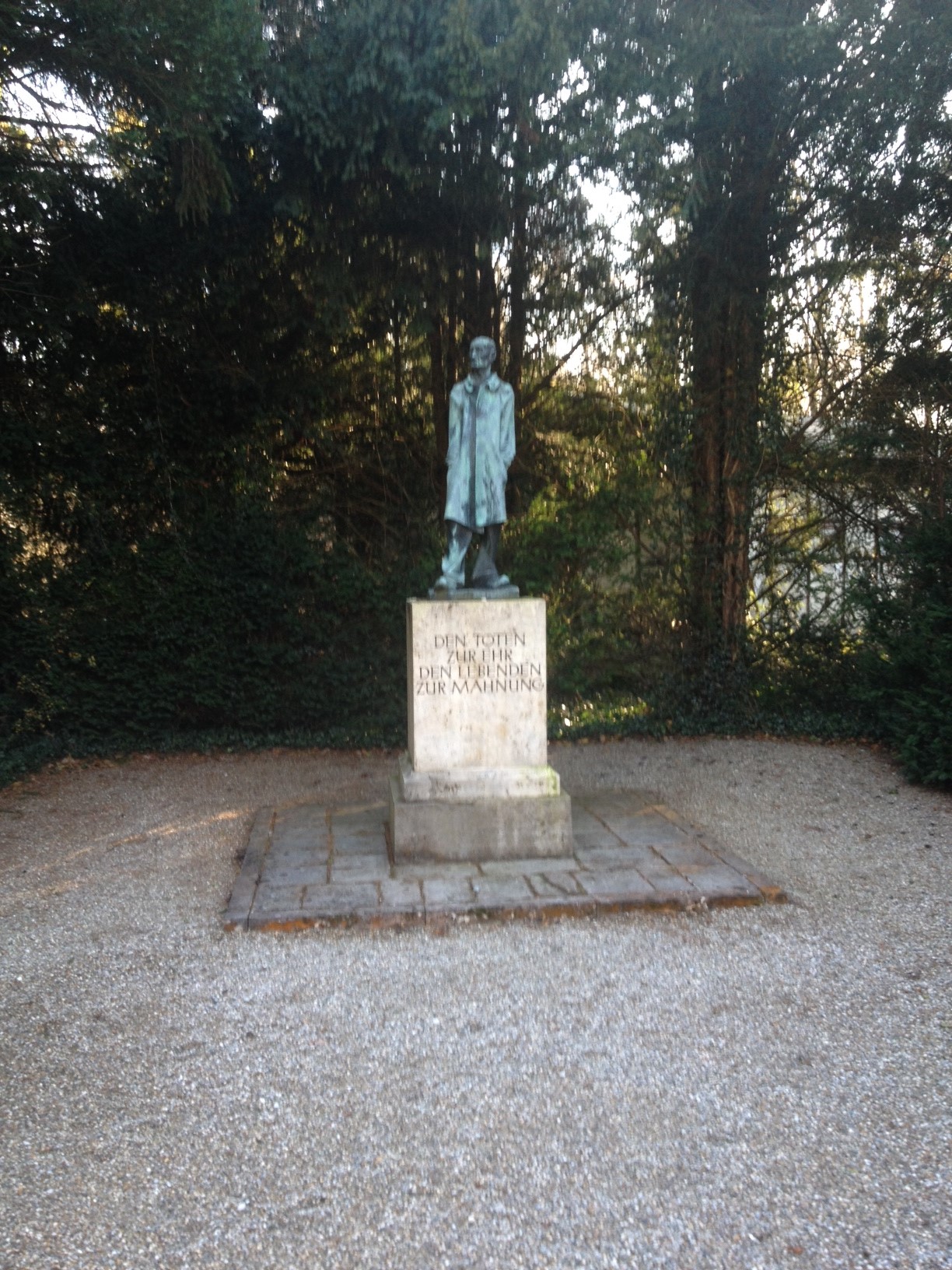
Statue at Dachau

The last part of the tour is a simple statue of a lone survivor, which is directly facing the crematorium – the statue is of a skinny, prison weary survivor standing proudly in a long trench coat.

He could now walk out of Dachau ..

I took that photo.

We are all busy with our own lives and it is often easier to turn away and not look at things that are unpleasant and make us feel uncomfortable.

Today l look at my photos – while I went to Dachau I did my own filtering job and I left the really unpleasant stuff behind.

It’s easier that way.

Greg Canty is a partner of Fuzion

Doing the small stuff great

November 18, 2013

Kerrie O'CallaghanSomeone has to answer the phone and someone has to let visitors into the building and greet them as come into the office.

This isn’t rocket science but at the same time it needs to be done right. You would hope that the person with this responsibility would carry out the task in a pleasant and friendly manner – after all, it is often the first impression that anyone would experience of your business.

We’ve been really lucky down through the years in that all of our team are pleasant and friendly and will give a really good impression of Fuzion.

The primary responsibility for answering the phone (we all do it by the way) tends to lie with the ‘junior’, the person who is newest to the team. Initially we find that the newbie is more than happy with this role but after a while they do want to feel that they are progressing and that this task is moved onto someone else.

While everyone who has worked with us has been great at that ‘hello, meet and greet‘ role we had one person who really stood out; Kerrie O’Callaghan.

Day after day we had people on the phone or who had come for a meeting specifically commenting about how special their greeting was.

This wasn’t an isolated incident but an absolute trend – she did this important, junior, simple but yet important task incredibly well.

Not surprisingly the hugely talented Kerrie, who did everything with 150% enthusiasm, progressed quickly and went on to do every task incredibly well but unfortunately for Fuzion she had the emigration bug and is now enjoying huge career success down under.

It’s funny how someone who does the small things great ends up also doing the big things great..

Kerrie, we miss you!

Greg Canty is a partner of Fuzion

Fuzion are a Marketing, PR and Graphic Design agency in Ireland with offices in Cork and Dublin
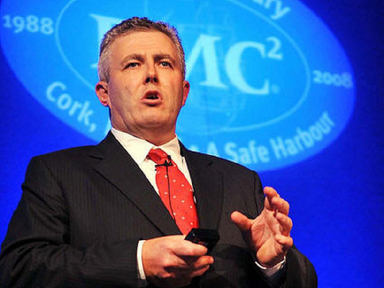
Bob Savage, EMC joins the Smarter Egg club

November 13, 2013

Bob Savage - EMC

You have to hand it to him – Aodan Enright from Smarter Egg did a great job!

Not only did he do a great job with his really interesting and enjoyable event this week, at the White Horse in Cork but he has done so well with his Smarter Egg concept of learning, which has evolved gradually since he began a number of years back.

I was one of the early converts – I was immediately intrigued by what Aodan described to me when I met him at a networking event years ago and he didn’t disappoint with a very unique (I hate that word now) business and personal learning experience.

Aodan even had me speaking at one of his first events, which I was thrilled to do.

(I recommend you have a peep at his website and consider trying one of his programmes – it won’t disappoint)

This week at his event he had a number of guest speakers and the high point of the evening was his one to one, up close and personal interview with Bob Savage, CEO of the highly successful EMC in Cork.

I’m not sure if it was the intimate atmosphere of the venue, the fact that Aodan worked for Bob before or if it was just his interrogation skills but it led to a really superb interview and one that gave us a rare insight into a modern, successful business leader.

At times  when asked a question Bob was a little unsure about answering and even stopped to mention that the event was being recorded. Good job Aodan!

However he did open up and gave us some gems:

  • He is big on teamwork and creating a great place to work
  • He loves genuine, enthusiastic people and hates the opposite
  • Passion for what you do is essential
  • He views what he does as a vocation and does acknowledge that he has made personal sacrifices with other parts of his life to reach and maintain the position he holds
  • One of his strengths is that he is accessible and he achieves that by ‘walking around’ interacting with the team and learning from them
  • He takes time out to introduce the EMC recruits because be believes they are the future of the company
  • His secret sauce of success is quite simply ‘people
  • Walking the walk is essential
  • He acknowledges the mentoring and support he received along his journey and admits that at times maybe he didn’t deserve it
  • He has his bad days the same as the rest of us and admits that things have not always been without problems but it is how you react and deal with them that’s vital
  • He loves the excitement of indigenous industry and sees huge potential in Ireland
  • He values his role on the board of Enterprise Ireland
  • In the future he could see himself consulting, assisting businesses and even life coaching “while my stock is still high”
  • Company politics is knowing when to open your mouth and when to shut it!
  • He would have advised his younger self to be more patient, more respectful and mannerly

The particular gem that I loved and took from the session was when he spoke about working hours.

At times you need to do 75 hours in a week but you clearly can’t do that all of the time. The trick is to know when to do it!

That’s one I definitely need to take notice of …way too many 75’s!

Aodan…keep up the great work and Bob…thanks for the refreshing openness and the gems, and welcome to the Smarter Egg club

Greg Canty is a partner of Fuzion

Fuzion are a Marketing, PR and Graphic Design agency in Ireland with offices in Cork and Dublin

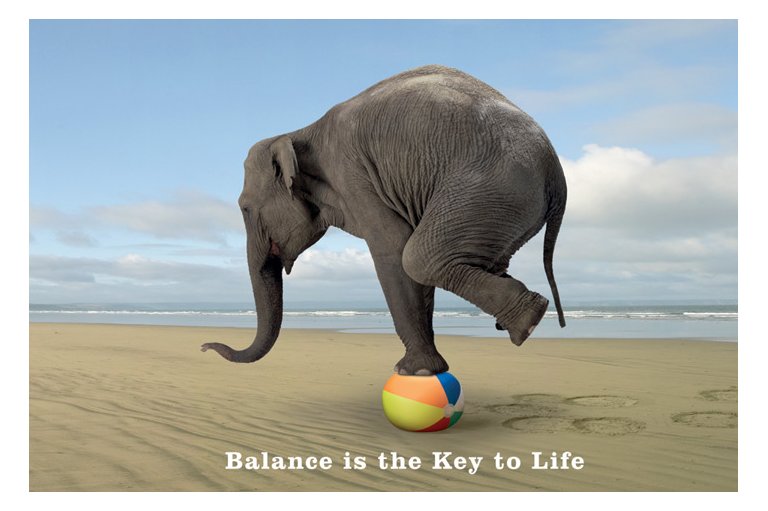
Balancing those debits and credits!

November 11, 2013

Work, Life Balance

Where did that time go?

31 years ago this boy was a raw, innocent 18 year old working as a junior accountant in a mid sized accountancy practice on the South Mall in Cork. At this stage I was two months into my apprentice and I was learning the basics.

Ironically, I had done Economics and Business Organisation in secondary school so Accounting was brand new to me!

For every debit there had to be a corresponding credit was the golden rule – if you got that, your accounts would always balance. If they didn’t balance something was wrong and you had to search for your mistake.

It’s probably easier for everyone now with the computers and the accountancy packages – we had to do it all manually with ledgers in my day. Imagine trying to dig through that lot to find where you went wrong..

I was in practice for 6 years and then went onto industry and eventually swapped the accountancy role for a general management one and that was the official end of my debits and credits (except for my own projects at least).

That debits and credits discipline always stood to me and I do think accountancy and the privilege of working with so many businesses at at a young age was the best business degree anyone I could ever hope for.

You listen and learn from clients, you understand the drivers of their businesses and you use your expertise to help them. In many ways I do exactly the same now except the expertise is quite different and I don’t have to worry about those debits and credits.

The strange thing is that life is full of debits and credits and it too must balance and if it doesn’t something is wrong.

I’ve been working hard all morning …. head out for a nice coffee

My crew work their socks off ….  take them for lunch on Friday

I’ve been stuck in that proposal for hours …. time for a stroll and fresh air

We’ve been working hard all year …. where will we go for our Christmas party?

Work, work, work …. spend time with friends, meet the kids, visit the folks

Busy doing stuff for everyone else …. get tickets for that gig

I’ve been working my socks off all year …. maybe a new car at the start of the year?

Whatever you do today make sure you balance your books!

Greg Canty is a partner of Fuzion

Fuzion are a Marketing, PR and Graphic Design agency in Ireland with offices in Cork and Dublin
Hugh O’Flaherty and those Poppies

November 3, 2013

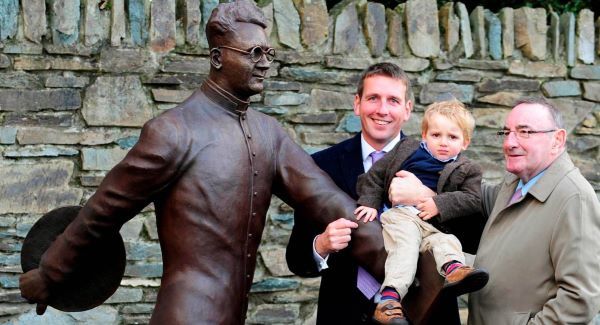
Hugh O'Flaherty Statue in Killarney

What a great week.

This was the culmination of an idea and the five years of hard work that followed.

Our idea was simple – we wanted to create a permanent memorial in Killarney to honour Monsignor Hugh O’Flaherty, the Irish World War 2 hero who instead of turning his back on escapees and people on the run from the Nazi regime, he gave them shelter.

He ignored the rules and the neutrality status of the Vatican and he set up a network of safe houses in and outside Rome and with the help of a special group of people he helped 6,500 to safety until the war was over.

After the war this very special man visited the prisons to ensure the Nazi prisoners were being treated properly, including the head of the Gestapo in Rome, Herbert Kappler.

Visiting the Nazi’s and in particular Kappler, confused many as they had been involved in so many atrocities and in particular would have arrested and quite probably assassinated the Monsignor if they had captured him. When questioned why he was doing this the Monsignor replied with a very simple and pure response

“God Has No Country”

Until I read a review of the book by Brian Fleming, about the Monsignor’s heroic deeds “The Vatican Pimpernel” I did not know of this great Irishman and to our shock we realised that most other people were exactly the same.

Who?” is the most popular response you get from people when you mention his name.

The sculpture with the accompanying story board in a prominent location in Killarney will hopefully change this both with the Irish and the many international visitors to Killarney.

The sculpture was unveiled on October 31st, 2013, the 50 year anniversary of his death before a large audience, which included the O’Flaherty (and Dineen) family, William Derry (son of Sam Derry, one of the key members of the Monsignor’s team), David Sands and Mo Burton (the grandkids of Henrietta Chevalier, the Maltese widow who offered her home as a safe house for escapees in Rome).

In the audience we also had the Israeli, Canadian and British Ambassadors and John Morgan representing ELMS, The Escape Line Memorial Society.

The moving ceremony consisted of speeches by the town Mayor Patrick Courtney, Hugh O’Flaherty, the grand nephew of the Monsignor as well as Jerry O’Grady the terrific chairman of our Memorial Society. We unveiled the plaques that carried the story of the Monsignor, the “God Has No Country” plaque and the sculpture itself.

John Morgan from ELMS left a wreath of poppies at the feet of the sculpture,

We did it!

Five years of organising, events and fundraising – most of which has come from individuals (please note we received no state help nor support from tourism bodies) brought us to this proud moment.

Killarney now has a beautiful sculpture, a permanent memorial, something to be proud of and a new attraction to visitors, which can only help things in the town. It is also a real connection to British, American and European visitors.

Poppies - Flanders Field

Poppie Anger

While this was an incredible week I was dumbfounded that our chairman received a call from an “angry” citizen enraged that we had allowed the Poppy wreath to be left at the foot of sculpture of the Monsignor. I’m glad he didn’t call me ..

How can any Irish person take in this whole incredible project and the very best they can come up with is to get angry with us because of a Poppy wreath. What has happened to someone that this is the only emotion that is stirred from such an occasion?

What is it about the poppy?

The destruction brought by the Napoleonic wars of the early 19th Century transformed bare land into fields of blood red poppies, growing around the bodies of the fallen soldiers. In late 1914, the fields of Northern France and Flanders were once again ripped open as World War One raged through Europe’s heart. Once the conflict was over the poppy was one of the only plants to grow on the otherwise barren battlefields.

The poppy came to represent the immeasurable sacrifice made and quickly became a lasting memorial to those who died in World War One and later conflicts. It was adopted by The Royal British Legion as the symbol for their Poppy Appeal, in aid of those serving in the British Armed Forces, after its formation in 1921′

The Poppy represents something beautiful growing from the sacrifice of others.

Our key objectives with the sculpture of the Monsignor are to honour his selfless deeds and his courage but more importantly to inspire these traits in all of us so that we can do great and selfless deeds in our lives.

While my first instinct would be to give our angry poppy friend a piece of my mind, instead I hope that he can put his anger and prejudices aside and realise what this is really about. Maybe he should stop and smell the poppies…

As a great man once said “God Has No Country

Greg Canty is a partner of Fuzion

Fuzion are a Marketing, PR and Graphic Design agency in Ireland with offices in Cork and Dublin
Punching in Time

October 25, 2013

Bored at work

I gave two social media training sessions on consecutive afternoons this week to different groups from the same organisation.

Before the session began on the second afternoon I asked the organiser if there would be a coffee break – we had a lot of ground to cover and the previous day there was no break, which made it a tough three hour session for everyone concerned.

No, just keep going” she told me “everyone would prefer to finish up and leave as soon as possible

That’s strange ….

It was only then it dawned on me – the attendees were taking the course as part of their continuous development, which is required as part of their qualification. This is standard practice with a lot of professional bodies.

I asked a few questions at the beginning of the session to warm up the group and to establish exactly how much they knew about social media – not a whole pile as it turned out …this was going to be a tough session!

OK, we’ll all here (I had driven two hours to get here) so lets get stuck in and make the most of it..

Willie Sutton, The Famous Bank Robber

Willie Sutton, The Famous Bank Robber

I dug deep, I gave the session everything I had – I told them stories, I gave them examples, I kept the session as light and lively as possible, I related the topics to their jobs, I showed them how they could use it to win new business, I showed them how it could help them to get closer to their clients.

I even told them about the famous Irish/American bank robber, Willie Sutton!

They were a nice group and bit by bit I seemed to win over some of them; some of them were engaged in the topics and they were asking me questions and at least there were a few interested, nodding heads.

I drove on and before I knew it I realised it was 5:05 pm and I had ran five minutes over time.

“Ok guys, I have about 15 more minutes to go in order to finish the session. I’ll continue if you wish but if anyone wants to leave, I won’t be offended”

I was given the green light to continue but a few got up to leave – before I knew it I was left with about a quarter of the attendees. I continued with the session but I must admit that I was disappointed that more did not stay back.

The few that stayed were really appreciative that I punched in the extra effort and a few stayed back to ask me questions.

I packed up my things and headed to the car park to face the two hour drive back to Cork.

For two afternoons we all just punched in time …. they were there because they had to be, and I was there because they had to learn something and it may as well be social media.

While I was paid well for my time and I hope I did teach the few who wanted to learn it just felt pointless and I felt empty.

Life is way too short to be just punching in time.

Greg Canty is a partner of Fuzion

Fuzion offer social media consultancy and training in Ireland from our offices in Cork and Dublin

Today I was an Accountant

October 17, 2013

accountant

I can’t help it ….I was once an accountant!

To be fair most people who meet me now get puzzled by this.

“Really?” ….yep!

For some reason I still won’t delegate these duties and in October of each year those deadline walls come closing in and there is no choice other than to knuckle down and prepare the accounts for the annual tax return.

I was like a bear today (sincere apologies to everyone concerned!) – I had worked till midnight last night doing the bank reconciliation and I was determined to break the back on the rest of the accounts work today. Besides feeling tired it made me feel totally miserable – the thought of the best part of my day being spent on “negative” work was killing me.

Romantically I always reckoned that doing the accounts was like telling the story of the business for the year. A long time ago I made a choice that I wanted to be part of the story rather than telling it afterwards!

Instead of meeting clients, trying to make positive things happen I had to, “for one day only” focus on just getting this horrible task done – I needed to be an accountant again and a cloud descended around me.

As planned I have broken the back on the accounts and while it wasn’t quite as bad a day as I had feared I am looking forward to being the “other me” tomorrow.

Are you telling the story or are you part of the story?

Greg Canty is a partner of Fuzion

Fuzion are an Irish Marketing, PR and Graphic Design agency with offices in Cork and Dublin